


Do plastic water cups need to be replaced regularly?
Do plastic water cups need to be replaced regularly? This is a question that many consumers often ask, and as a plastic water cup supplier, I'd like to delve into this topic comprehensively.
The Material and Quality of Plastic Water Cups
First, let's understand the materials used in plastic water cups. Most of our plastic water cups are made from high - quality plastics such as polypropylene (PP), polyethylene (PE), and polyethylene terephthalate (PET). These materials are chosen for their safety, durability, and cost - effectiveness.
PP is a common material for food - grade plastic products. It has good heat resistance, can withstand temperatures up to around 120°C, and is non - toxic and odorless. Our Food Grade High - Temperature Plastic Water Cup is made of PP, which makes it suitable for both cold and hot beverages. The heat - resistant property ensures that the cup won't deform or release harmful substances when filled with hot drinks.
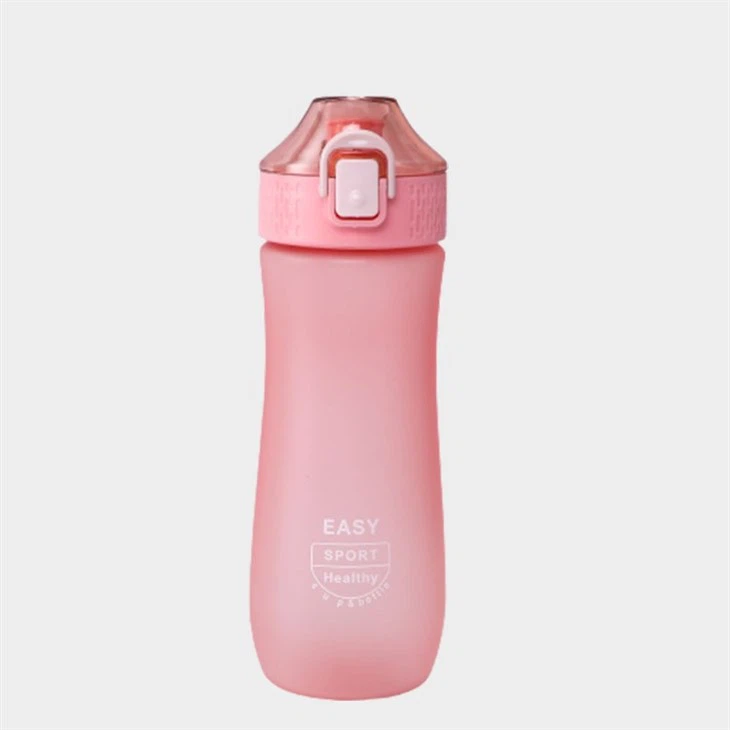
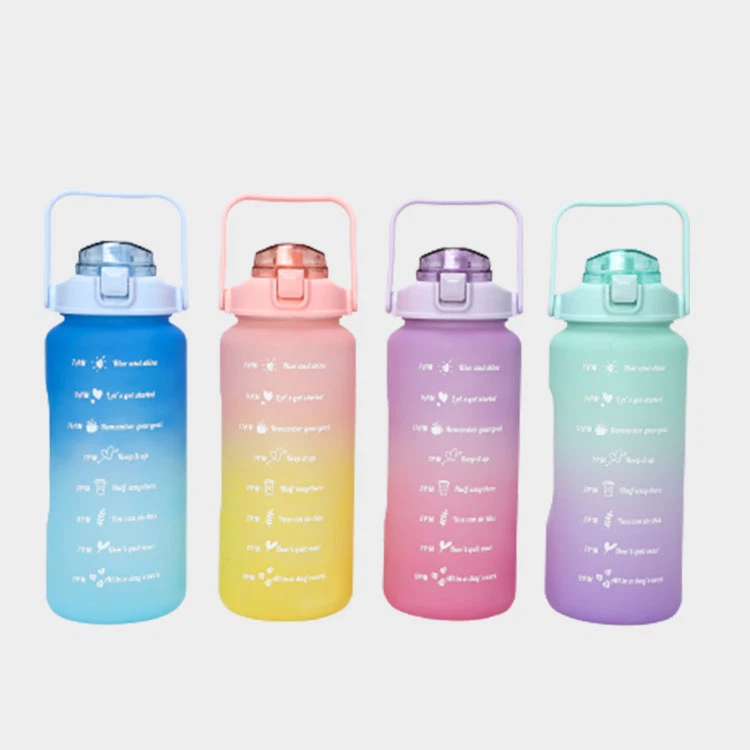
PE is another widely used plastic. It is soft, flexible, and has excellent chemical resistance. It is often used in the production of disposable plastic cups. Our cups made of PE are lightweight and convenient, perfect for outdoor events or parties.
PET is commonly used for single - use plastic bottles and some disposable cups. It is transparent, strong, and has good gas barrier properties, which helps to keep the beverage fresh.
Factors Affecting the Lifespan of Plastic Water Cups
- Frequency of Use
If a plastic water cup is used multiple times a day, it will experience more wear and tear compared to a cup that is used occasionally. For example, a person who uses a plastic water cup at work every day to drink water or coffee will subject the cup to more mechanical stress, such as being placed on hard surfaces, being washed frequently, and being handled roughly. Over time, this can lead to scratches on the surface of the cup. Scratches not only affect the appearance of the cup but also provide a breeding ground for bacteria. - Cleaning Methods
The way a plastic water cup is cleaned also plays a crucial role in its lifespan. Using harsh cleaning agents or abrasive sponges can damage the plastic surface. For instance, if you use a steel wool pad to clean a plastic cup, it will scratch the surface, making it more prone to staining and bacterial growth. On the other hand, using mild dish soap and a soft sponge is the recommended way to clean plastic water cups. This gentle cleaning method helps to maintain the integrity of the plastic and extends the cup's lifespan. - Exposure to Heat and Sunlight
Excessive exposure to heat and sunlight can cause the plastic to degrade. When a plastic water cup is left in a hot car or under direct sunlight for a long time, the plastic may become brittle and lose its strength. The heat can also cause the plastic to release chemicals, especially if the cup is not made of high - quality, heat - resistant plastic. For example, some low - grade plastics may release bisphenol A (BPA) or other harmful substances when heated.
When Should Plastic Water Cups Be Replaced?
- Visible Damage
If a plastic water cup has cracks, chips, or significant scratches, it should be replaced immediately. Cracks can allow bacteria to enter the cup and contaminate the beverage. Chips can cause the cup to leak, and deep scratches can make it difficult to clean the cup thoroughly. For example, if you notice a crack on the side of your plastic water cup, it is best to discard it and get a new one. - Odor and Stains
If a plastic water cup develops an unpleasant odor or stubborn stains that cannot be removed through normal cleaning, it is a sign that the cup may need to be replaced. Odors can be caused by the growth of bacteria or the absorption of strong - smelling substances. Stains can also indicate that the plastic has absorbed impurities, which may affect the taste of the beverage. - Long - Term Use
Even if a plastic water cup shows no visible signs of damage, it is still recommended to replace it after a certain period of use. As a general rule, reusable plastic water cups should be replaced every 6 - 12 months. This is because over time, the plastic may gradually degrade, and the risk of bacterial growth increases.
Our Product Advantages
As a plastic water cup supplier, we offer a wide range of high - quality plastic water cups. Our Anti - Drop Cute Cartoon Plastic Cup is not only cute but also has an anti - drop design. It is made of durable plastic that can withstand accidental drops without cracking or breaking. This makes it a great choice for children or people who are prone to dropping things.
Our Printed Colored Plastic Beer Cups are perfect for parties and events. They come in various colors and prints, adding a festive touch to any occasion. These cups are made of food - grade plastic, ensuring that they are safe for drinking beer or other beverages.
Conclusion and Call to Action
In conclusion, plastic water cups do need to be replaced regularly to ensure safety and hygiene. While the lifespan of a plastic water cup depends on various factors such as frequency of use, cleaning methods, and exposure to heat and sunlight, it is generally recommended to replace reusable cups every 6 - 12 months.
We take pride in providing high - quality plastic water cups that meet the highest standards of safety and durability. If you are interested in purchasing our plastic water cups, whether for personal use, corporate events, or retail, please feel free to contact us for more information and to discuss your specific requirements. We are committed to providing excellent products and services to our customers.
References
- "Plastic Materials and Their Applications" by John A. Brydson
- "Food Packaging: Principles and Practice" by Wilmer A. Rooney
- "Microbiology of Food and Food Processing" by Michael P. Doyle
